15th century
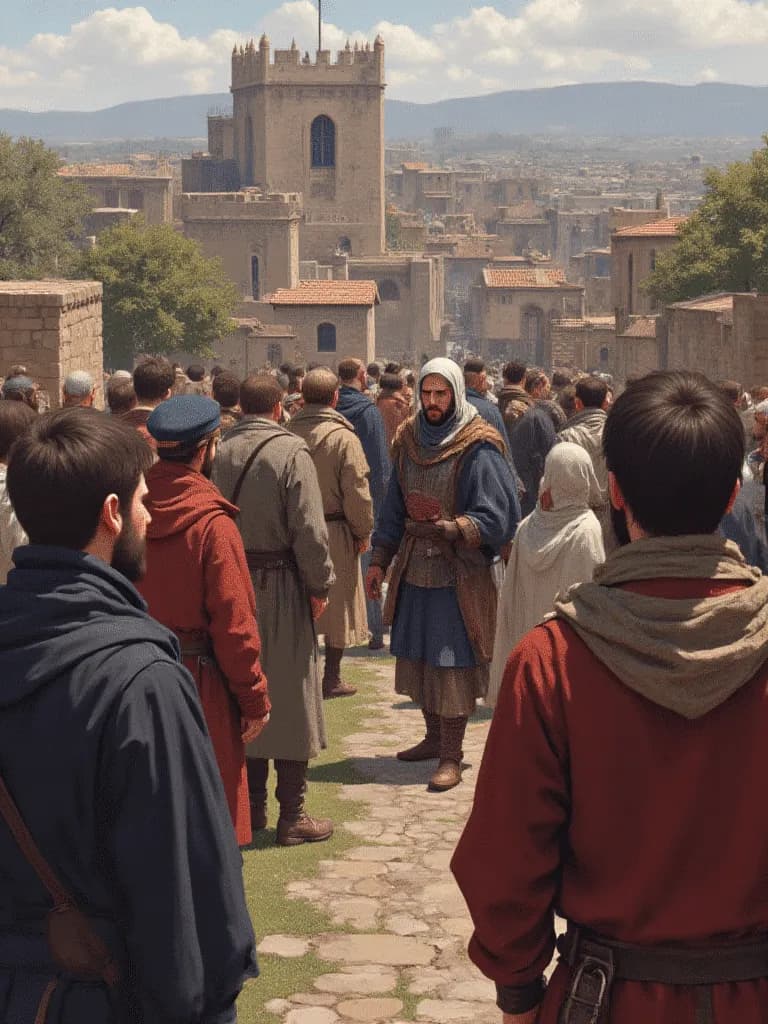
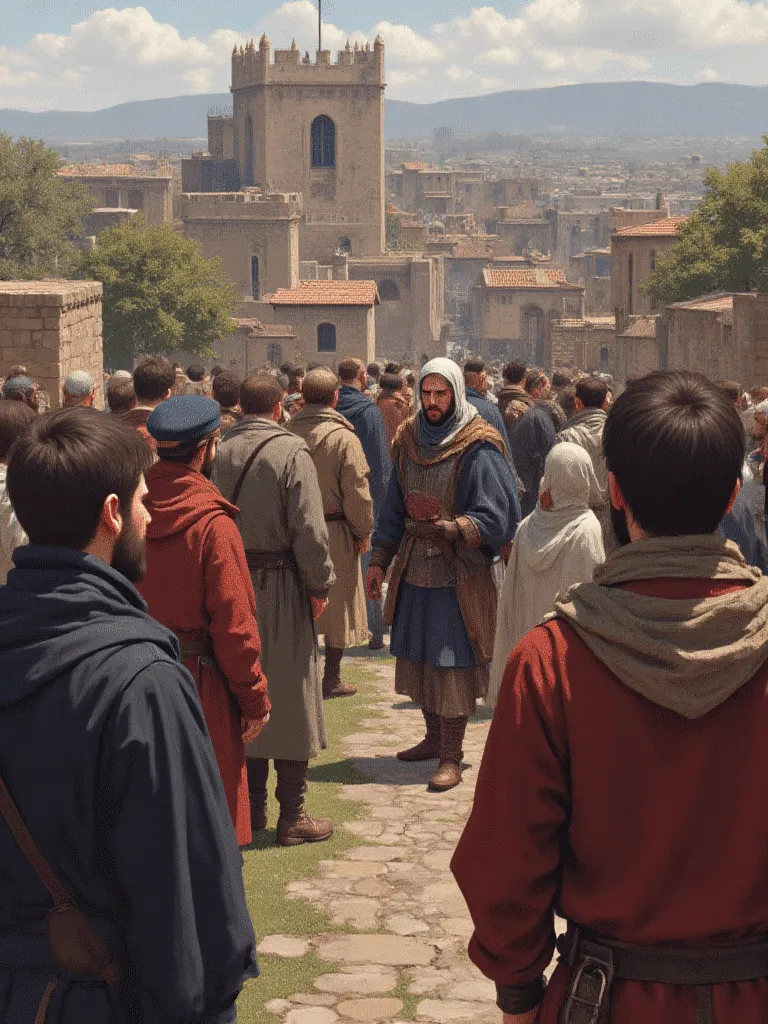
The fifteenth century in Europe stood at the threshold of change, yet society remained bound by rigid order. Kings consolidated power, nobles guarded privilege, and the church upheld the structure of faith and obedience. Merchants grew wealthy in towns where trade and craft flourished, but the majority toiled in fields, tied to soil and season. The memory of famine, plague, and war still lingered, shaping a world wary of disorder. Gender fixed lives as securely as class. Men occupied the visible spaces of authority—on battlefields, in councils, and at universities—while women’s influence was confined to household, lineage, or cloister. In noble halls, marriages cemented alliances rather than choice. In villages, labor was shared, yet recognition fell to men while women’s work remained unacknowledged. Across all ranks, the expectation endured: men to lead, women to serve.
About 15th century
The fifteenth century in Europe stood at the threshold of change, yet society remained bound by rigid order. Kings consolidated power, nobles guarded privilege, and the church upheld the structure of faith and obedience. Merchants grew wealthy in towns where trade and craft flourished, but the majority toiled in fields, tied to soil and season. ...Read more